Practically every immigration or business process in Paraguay runs into one common requirement: the apostille. Understanding what it is and how it works avoids silly delays on important documents.
What a Hague apostille is
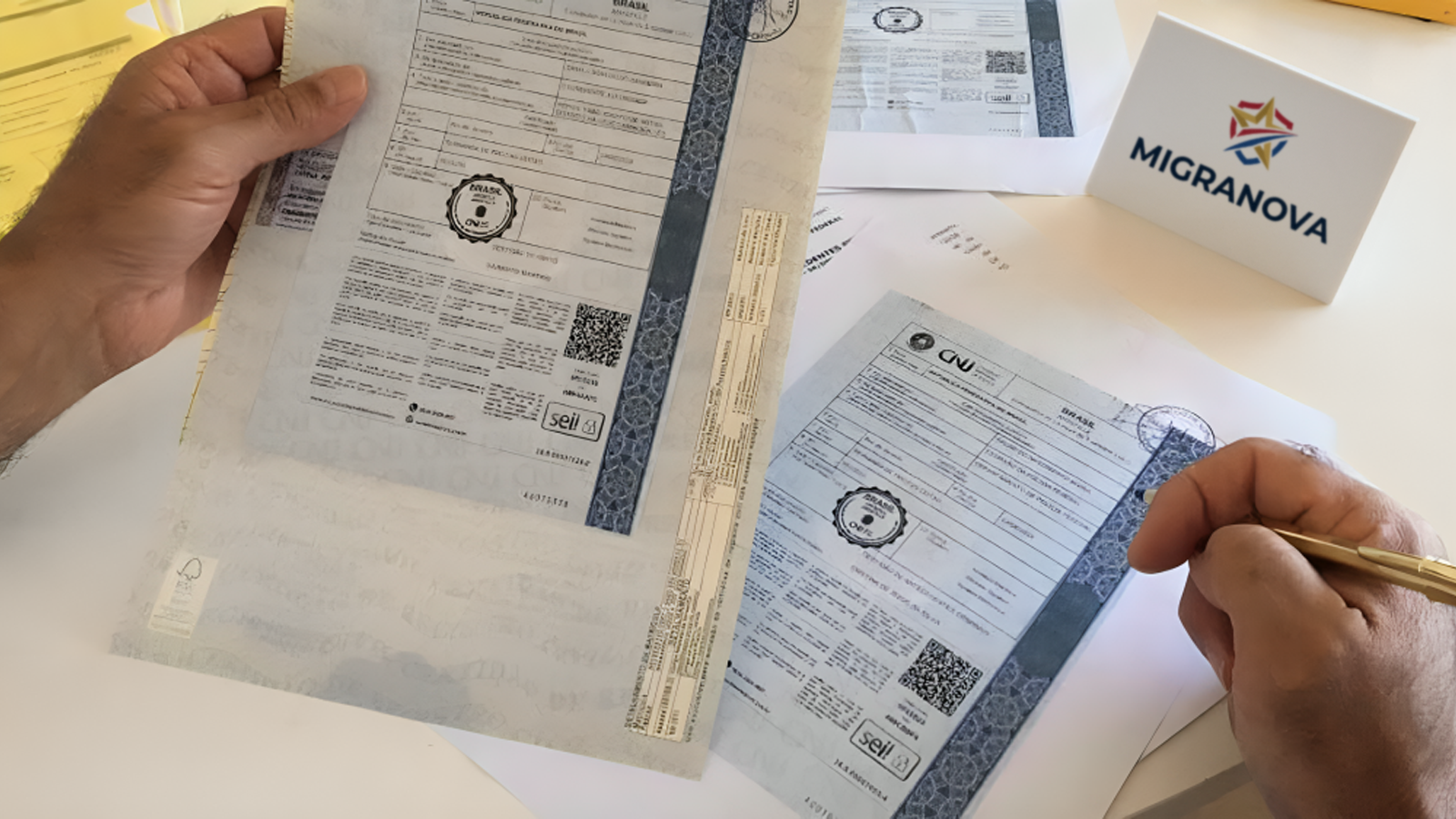
It's an international stamp that certifies the authenticity of a public document issued in another country, removing the need for traditional consular legalization. Paraguay recognizes the apostille for documents from countries that signed the convention.
Which documents typically need an apostille
Birth certificates, marriage certificates, criminal background checks, and diplomas are the most common examples. Practically any public document used in an immigration or corporate process may need this certification.
Where to apostille your document
The apostille is issued in the document's country of origin, usually by a specific designated authority. You can't apostille a Brazilian document in Paraguay, for example, that needs to happen before travel or shipping.
Document Apostille and Legalization
International validation of documents for use in Paraguay or abroad.
How long the apostille stays valid
The apostille itself usually has no expiration date, but the apostilled document might, depending on the type. Background check certificates, for example, tend to have a short validity regardless of the apostille.
Common mistakes that delay recognition
Apostilling the wrong document, forgetting the sworn translation when required, or apostilling a copy instead of the original are the most common slip-ups. Each one can mean starting the process over from scratch.
Sworn translation: when it's also needed
Documents apostilled in another language usually also need a sworn translation to be accepted in Paraguay. The two steps tend to go together, but they're separate processes.
Every document type and every process has specific apostille requirements. If you're not sure what you need, it's worth confirming before spending time and money on the wrong document.